
Chemical Recycling
with ARCUS Greencycling
Technologies

Plastic waste that was previously considered “non-recyclable” is not the end of the line for us—but rather the beginning of a new raw material cycle. ARCUS Greencycling sets the standard in chemical recycling: Using our pyrolysis technology, we transform mixed and contaminated plastic waste into valuable pyrolysis oil—a raw material that replaces fossil resources and opens the door to true product cycles.

Chemical Recycling with ARCUS Greencycling Technologies

Plastic waste that was previously considered “non-recyclable” is not the end of the line for us—but rather the beginning of a new raw material cycle. ARCUS Greencycling sets the standard in chemical recycling: Using our pyrolysis technology, we transform mixed and contaminated plastic waste into valuable pyrolysis oil—a raw material that replaces fossil resources and opens the door to true product cycles.

From Waste to Raw Material: Our Approach to True Circularity

ARCUS Greencycling Technologies bridges the gap between waste and chemical feedstock: We process mixed, contaminated, and previously mechanically non- recyclable plastics into high-quality pyrolysis oil using our advanced pyrolysis technology. This oil serves as a certifiable feedstock in the chemical industry and enables the production of new plastics— equivalent to fossil raw materials, circular, and sustainable.

Where mechanical recycling reaches its limits, our chemical process takes over. We prevent downcycling, increase carbon efficiency, and create new, more sustainable material flows. Together with our partners , we are building transparent, auditable value chains—from inputs through mass balance to recyclable end products.

What is chemical recycling?

Chemical recycling breaks down plastic waste at the molecular level—through processes such as pyrolysis, gasification, or solvolysis—and recovers high-quality raw materials from it. These materials can then be reused to produce new plastics, rather than sending the waste to landfills or incinerating it for energy recovery.

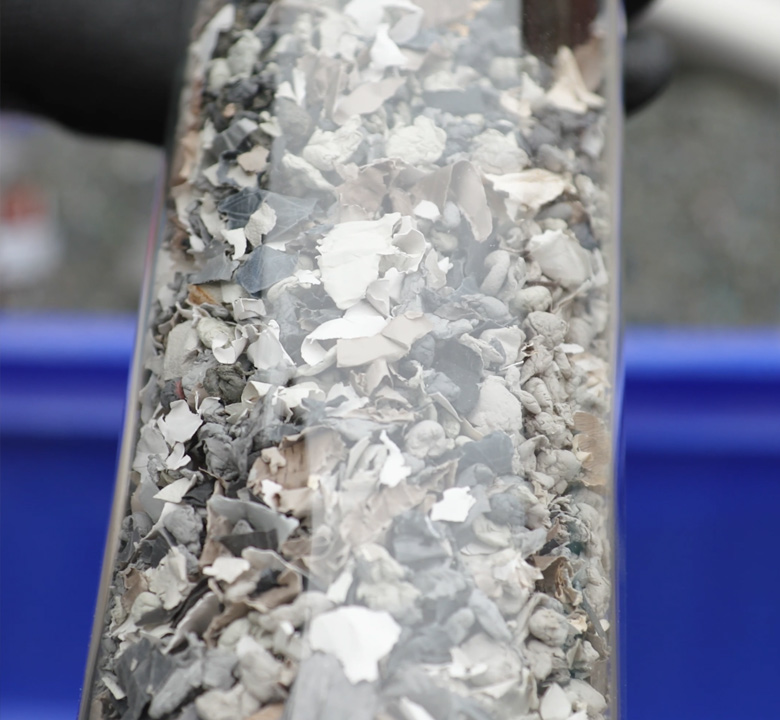
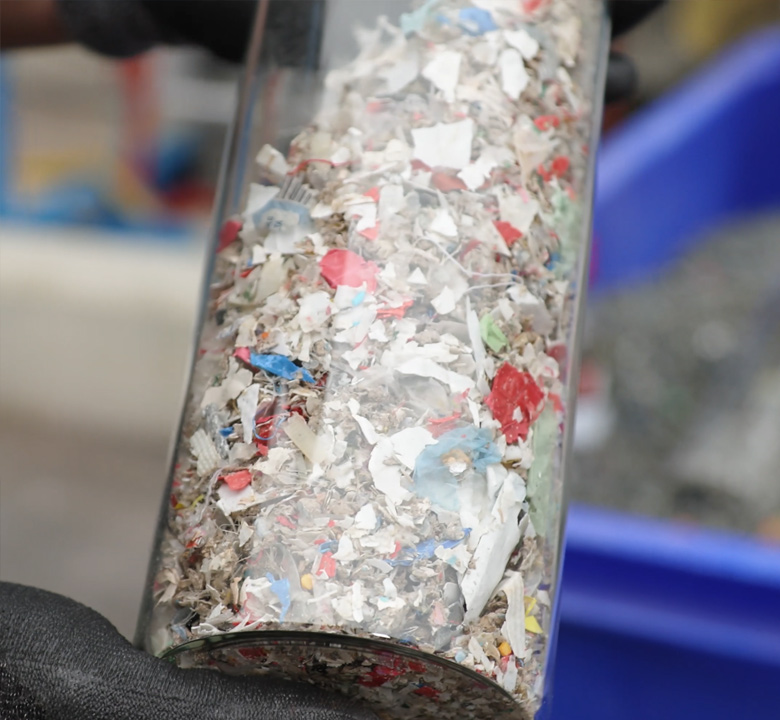
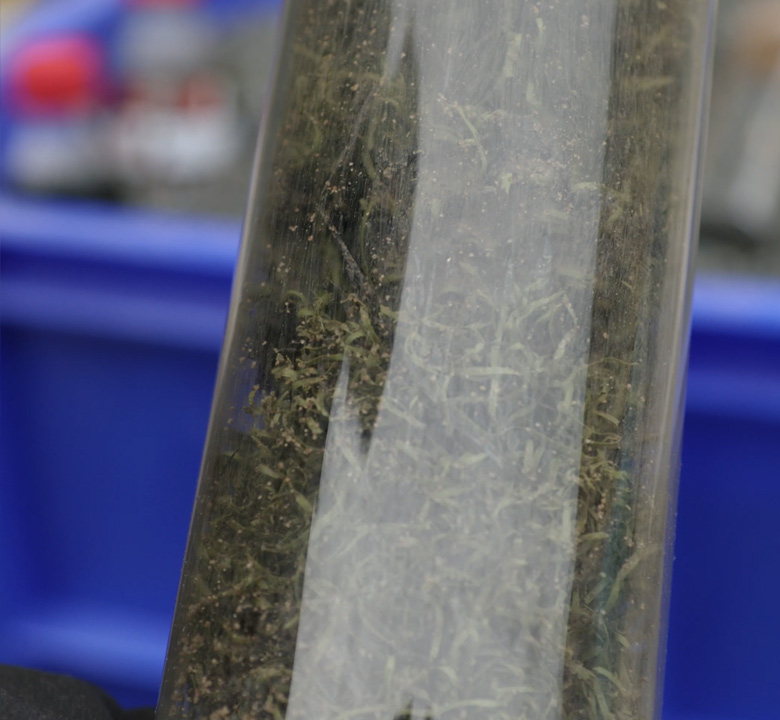
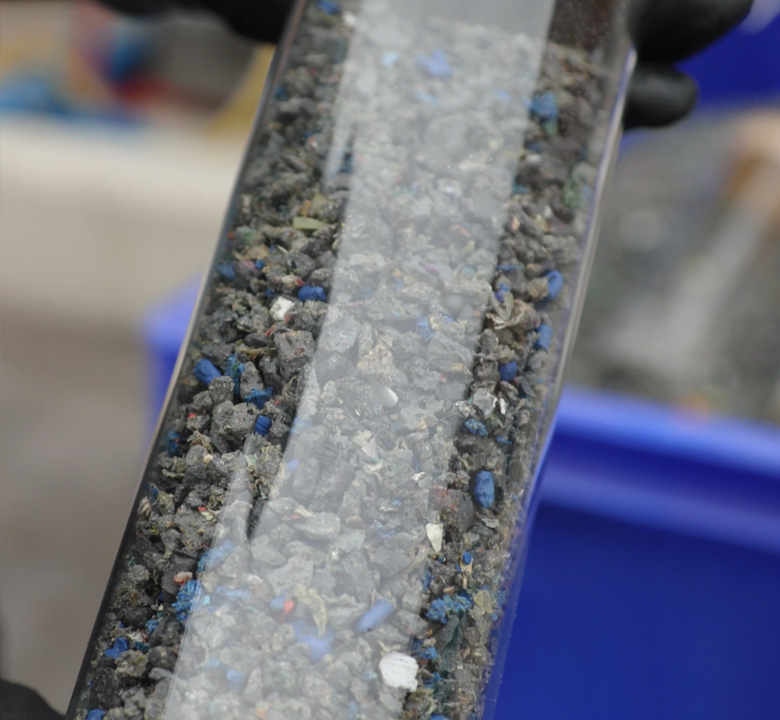
Waste streams

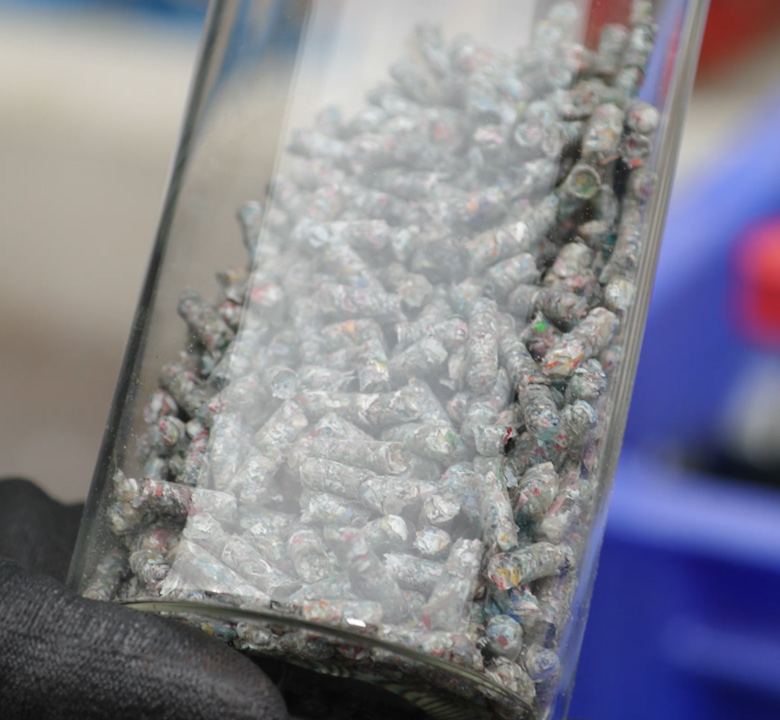
ARCUS recycles mixed, contaminated, and hard-to-recycle plastic waste.

What is producedfrom pyrolysis oil?

In the petrochemical industry, high-quality products can once again be manufactured from newly produced plastics.

class="img-responsive

We are closing the plastic loop on the path to a net-zero economy

Differences between chemical and mechanical recycling

ARCUS Chemical Recycling 

  • Processes mixed, contaminated, or difficult-to-separate plastic streams

  • Decomposition at the molecular level (e.g., pyrolysis at ARCUS)

  • Raw material quality comparable to that of new materials (“virgin-like”)

  • No loss of quality when reusing the recycled material

  • Enables closed-loop systems even for mixed waste streams or complex products

Mechanical recycling

  • Suitable for single-type, clean plastics

  • Processing by shredding, washing, and melting

  • The quality of the material decreases with each recycling cycle

  • Not suitable for heavily soiled or mixed plastic waste

  • Restricted use – e.g., not for food packaging

Incineration – a point of no return

Waste incineration uses plastics as a high-energy fuel. This means that carbon-rich molecules are completely converted into CO₂—a greenhouse gas—and water. This process generates heat and electricity, but the material is lost and cannot be reused. The release of CO₂ further contributes to climate change. The process is a dead end, not a cycle.

From Theory to Practice:
How ARCUS Technology Works

ARCUS puts the technology behind chemical recycling into industrial practice—continuously, scalably, and with the highest-quality output.

class="img-responsive